
Escrow, Inspections & Appraisals at Altitude: The Tahoe Difference
Escrow on a Lake Tahoe home covers the same fundamentals as anywhere, inspections, appraisal, title, disclosures, but the altitude and terrain add a checklist a lowland purchase never sees. Snow load and roofs, defensible space and wildfire, wells and septic on outlying parcels, and, on the water, TRPA-governed pier and buoy permits all get verified here. This guide walks through what’s different so nothing surprises you between accepted offer and close.
What is the roof and snow-load concern at altitude?
Homes across the Tahoe basin sit at roughly 6,200 feet and higher, where winters deliver heavy, sustained snow. Roofs are engineered for that snow load, and the roof is one of the most consequential things to inspect. Look at condition and remaining life, structural capacity, drainage, and any history of ice dams or leaks. Snow-shedding design, decks, and gutters all matter more here, and a roof issue on a mountain home is rarely cosmetic, it’s a structural and moisture question worth resolving before you close.
How do defensible space and wildfire affect a Tahoe purchase?
Defensible space is the managed buffer around a home that slows an approaching wildfire and gives crews room to defend the structure. In California, the Zone 0 concept focuses on an ember-resistant zone in the first few feet around the building: keeping combustible materials, plants, and debris away from the structure. During escrow it’s worth confirming the property’s defensible-space condition because it affects two things at once:
- Safety: the home’s resilience in a wildfire event.
- Insurability: insurers increasingly weigh wildfire readiness, and coverage availability and cost can hinge on it.
Verifying this early avoids an unpleasant discovery when you go to bind insurance before closing.
Do I need to worry about wells and septic?
It depends on where the home sits. Many Tahoe properties are on district water and sewer, but outlying parcels, and some lakefront and back-country homes, rely on a private well and a septic system. If so, add those to the diligence list: test water quality and well capacity, and inspect the septic system’s condition and capacity. These are routine to evaluate, but only if you know to ask, which is exactly what a local agent flags before you write the offer.
What’s different about lakefront diligence: piers, buoys, and TRPA?
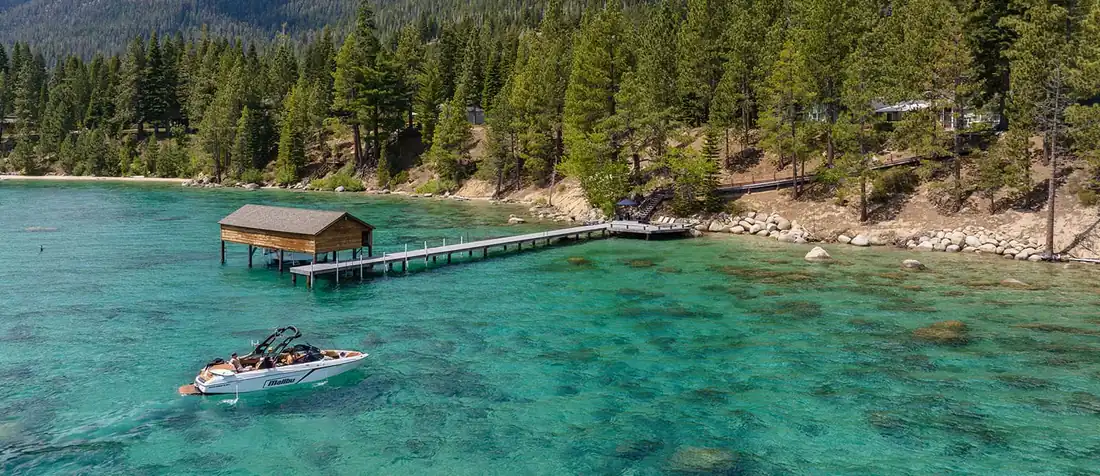
On lakefront, escrow adds a layer that exists nowhere else: the shoreline. The Tahoe Regional Planning Agency (TRPA) governs land coverage and every pier, buoy, and boat lift around the lake. During escrow, verify in writing that any shoreline structure is:
- Permitted: the pier, buoy, or boat lift has valid TRPA authorization.
- Registered and conveying: the rights actually transfer to you at close, not just the physical structure.
- Within land-coverage limits: TRPA caps impervious coverage per parcel, which affects future changes.
Buoys and piers are scarce, permitted assets, confirming their status is often the difference between the shoreline lifestyle you expect and an expensive misunderstanding. The details live in the buoys, piers & shoreline rights guide, and the full lakefront buying arc in the how to buy lakefront guide.
Why can appraising a unique Tahoe home be challenging?
Appraisers value a home largely by comparing it to recent, comparable sales. Tahoe’s luxury and lakefront properties are often genuinely one of a kind: a custom estate, a rare stretch of frontage, an architectural landmark, with few true comparables. That can make the appraisal more difficult and slower, and it’s a common reason a distinctive home takes longer to close. Two practical protections:
- Keep an appraisal contingency in the offer where appropriate.
- Work with an agent who knows the recent comparable sales intimately: local knowledge helps an appraisal come in supported.
If you’re financing, this ties directly to the loan; see the financing guide for how jumbo underwriting and appraisal interact.
How long does Tahoe escrow take?
A typical escrow runs 30 to 45 days, but the extra mountain and shoreline diligence: roof, well/septic, defensible space, and especially TRPA permit verification, can extend it. Starting the specialized checks early, rather than at the deadline, is the single best way to keep the timeline on track. Cash purchases can move faster; complex jumbo-financed luxury deals often need more room.
The altitude checklist is where an experienced Tahoe broker protects a buyer most. Trinkie Watson of Chase International, 40+ years at Lake Tahoe, 100+ lakefront transactions, licensed in both California and Nevada, knows what to verify, when, and on which side of the state line. Start with the complete buyer’s guide to see how escrow fits the whole process.