
How to Price a Tahoe Lakefront Home
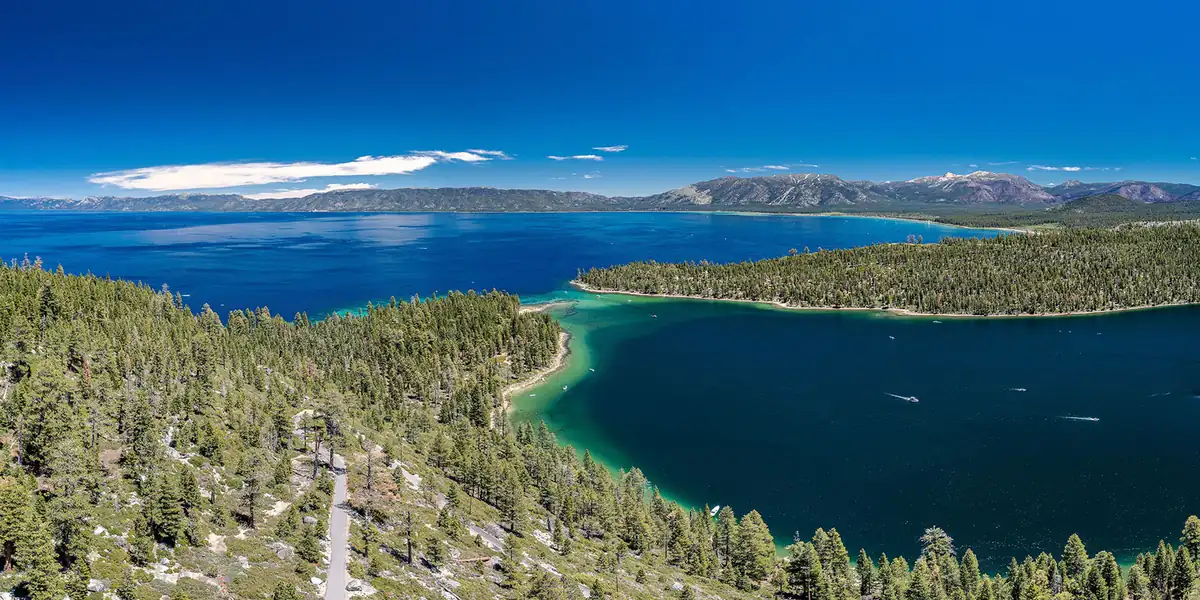
Pricing a Lake Tahoe lakefront home is unlike pricing almost any other property, because value here is driven by scarcity, shoreline rights, and exposure, not by square footage. Only a limited share of Tahoe’s roughly 72 miles of shoreline is privately owned, and TRPA tightly restricts new shoreline structures, so a lakefront home bundles scarce land with scarce, permitted water access. This guide explains the principles that drive lakefront pricing and why over-pricing a trophy property so often backfires. For the buyer-side view of what creates value, pair it with What Does Lakefront Cost and the lakefront buyer’s guide.
What actually drives lakefront value?
A handful of factors move lakefront price far more than interior size:
- Frontage length, how much private shoreline the parcel holds. More frontage generally means more value.
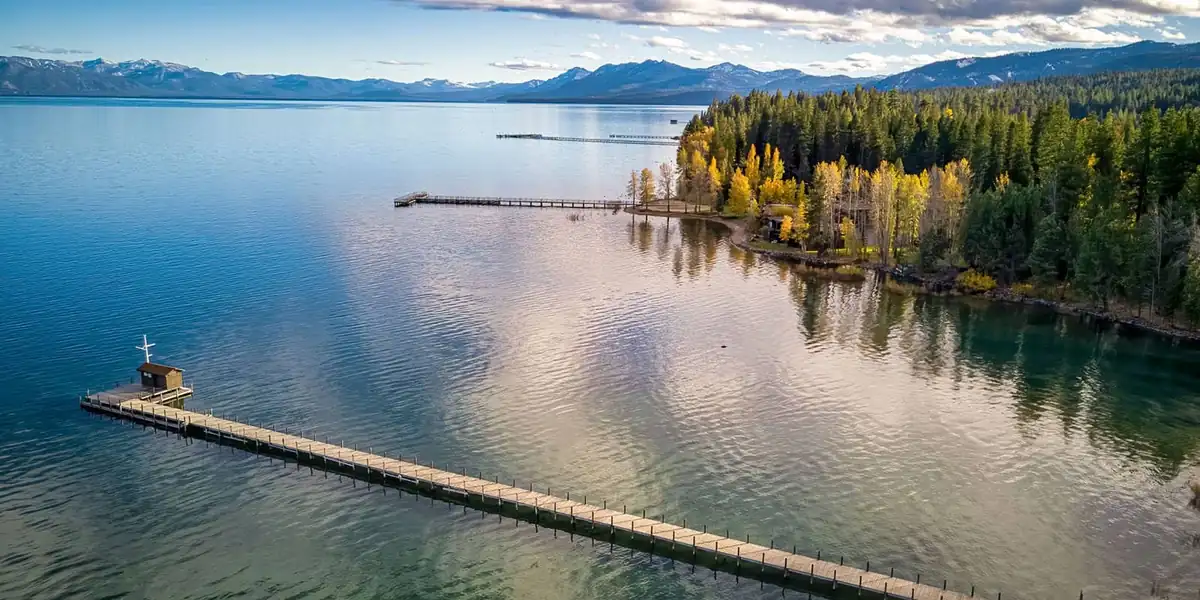
- Shoreline rights: a permitted pier, a registered buoy, or a boat lift is scarce under TRPA and adds substantial value. Existing, documented rights are worth far more than the theoretical possibility of new ones (see Buoys, Piers & Shoreline Rights).
- Exposure & orientation, West Shore lakefront captures warm afternoon sun and sunsets; East Shore catches sunrise. Wind exposure and cove protection vary meaningfully from parcel to parcel.
- Privacy & setting: forested screening, distance from neighbors, and the quality of the approach all factor into what a discerning buyer will pay.
- Land coverage & condition: TRPA land-coverage limits shape what can be built or expanded, which the market prices in.
Why doesn't price-per-square-foot work here?
In tract housing, price-per-square-foot is a useful shorthand because the homes are broadly similar. On lakefront, it collapses. The land and the water access carry most of the value, so a smaller home on prime, protected frontage with a permitted buoy can be worth more than a larger home on exposed frontage with no shoreline rights. Anchoring to a dollar-per-foot figure, from a neighbor’s sale, an appraisal, or a rule of thumb, systematically mis-prices the exact features that make a lakefront property special.
Why are comparable sales so challenging?
Ordinary homes price off a dense set of recent, similar transactions. Lakefront estates rarely have that luxury. Sales are infrequent, each parcel’s shoreline is different, and no two piers, coves, or exposures are alike. A recent sale two doors down may tell you little if that home faced a different direction, held a different length of frontage, or came with a permitted pier yours lacks. Pricing lakefront is therefore an act of informed judgment, adjusting a thin set of imperfect comparables for the factors above, rather than arithmetic. That is why a comparative market analysis from someone who has actually sold lakefront is worth so much more than an automated valuation.
Why does over-pricing a trophy property backfire?
The instinct with a unique property is to reach: list high, because “we can always come down,” and because thin comparables leave room to argue for a big number. In practice this is the most common and most costly mistake in luxury selling.
A listing receives its greatest attention in its first weeks on the market, when the qualified buyers who have been watching the segment all take a look. If the price sits above what those buyers will support, they pass, and the home lingers. The longer it lingers, the more the market concludes something is wrong with it, and a growing days-on-market count becomes its own negative signal. Sellers who chase the market down with a series of reductions often close below the price a correct, confident initial number would have produced. Pricing to the shoreline and the real buyer pool from day one preserves that first-impression momentum and the competitive tension that produces the strongest result.
How should a seller set the right price?
Start from the shoreline, not the house. Build the valuation around frontage, rights, exposure, and privacy, use the best available comparables adjusted honestly for those factors, and set a number the qualified buyer pool can support on day one. Then let professional luxury marketing and a well-prepared home do the rest. The full arc of a luxury sale is in How to Sell a Luxury Home at Lake Tahoe.
Trinkie Watson of Chase International, with 40+ years at Lake Tahoe, more than 100 lakefront transactions, and licenses in both California and Nevada, can prepare a parcel-specific valuation that prices your property to its shoreline and its buyers, not to a rule of thumb.