
West Shore vs. East Shore of Lake Tahoe: A Buyer's Comparison
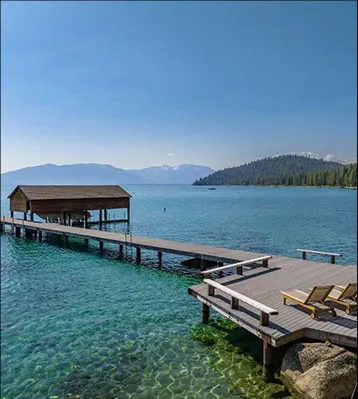
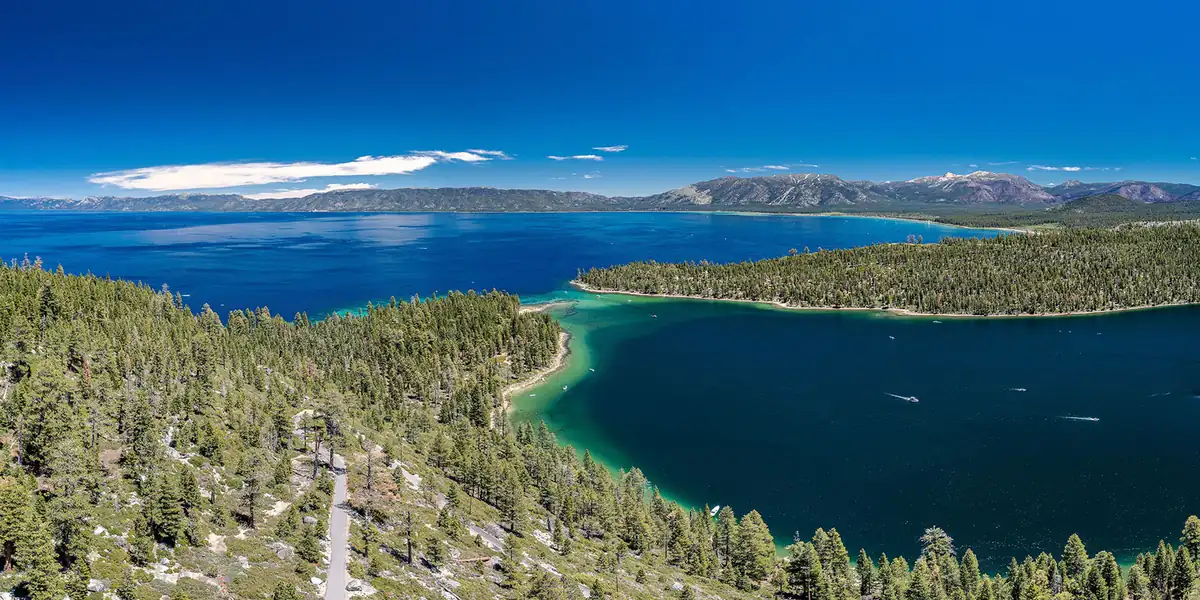
Lake Tahoe’s West Shore and East Shore sit across the water from each other and could hardly be more different. The West Shore (Homewood, Tahoma, Sunnyside) is California: historic lakefront estates, deep forest, and the warm afternoon sun that pours across the lake onto its decks. The East Shore is Nevada: sparsely developed, dramatically scenic, largely protected public land, and home to some of the rarest private parcels on the lake, around Glenbrook and Zephyr Cove. Both fall under the same TRPA shoreline rules, so pier and buoy scarcity is identical. What differs is sun, privacy, tax, and access, and those decide it.
How do the West Shore and East Shore compare?
| Factor | West Shore (CA) | East Shore (NV) |
|---|---|---|
| Sun exposure | Afternoon & sunset sun across the lake | Sunrise over the water; earlier afternoon shade |
| Development | Established historic communities | Sparsely developed; much is state park |
| Inventory | Scarce but established | Extremely scarce private parcels |
| State income tax | California applies | None (for Nevada residents) |
| Access | Minutes to Tahoe City & Palisades Tahoe | Toward Glenbrook / Stateline; quieter |
| Shoreline rules | Same TRPA framework, piers & buoys equally limited | |
What defines the West Shore?
The West Shore is Tahoe’s legacy lakefront. Running south from Tahoe City through Sunnyside, Homewood, and Tahoma, it holds many of the lake’s historic estates and a genuinely forested, quiet character. Its defining physical asset is light: because it faces east across the water, the West Shore takes the warm afternoon and evening sun, the hours most people actually use a lake house. It is also the most convenient lakefront for Palisades Tahoe skiing and Tahoe City services.
What defines the East Shore?
The East Shore is the least populated stretch of Lake Tahoe. A large share of it is protected, Lake Tahoe Nevada State Park and the Sand Harbor area, which is precisely why the private parcels that do exist, clustered around Glenbrook and Zephyr Cove, are so rare. Buyers come here for privacy, drama, and scarcity, and for Nevada residency: the state levies no personal income tax, a benefit that applies if you genuinely establish domicile (see Nevada’s Tax Advantages).
Which should you buy?
Ask two questions honestly. When will you use the deck? If the answer is afternoons and evenings, the West Shore’s sun is very hard to give up, and buyers frequently discover this only after standing on both shores at 4pm. Will you actually become a Nevada resident? If yes, the East Shore’s tax advantage is real and material; if no, it doesn’t apply to you and shouldn’t drive the decision.
Beyond that, it is a trade between the West Shore’s established, convenient, sun-drenched lakefront and the East Shore’s rare, private, dramatic shoreline. Trinkie Watson (licensed in both California and Nevada, 40+ years and 100+ lakefront transactions) regularly walks buyers across both shores before they commit. Read the full communities guide, the California vs. Nevada guide, or get in touch.