
What Is the West Shore Like for Home Buyers and Residents?
Short Answer: What West Shore Living Looks Like From Sunnyside to Emerald Bay
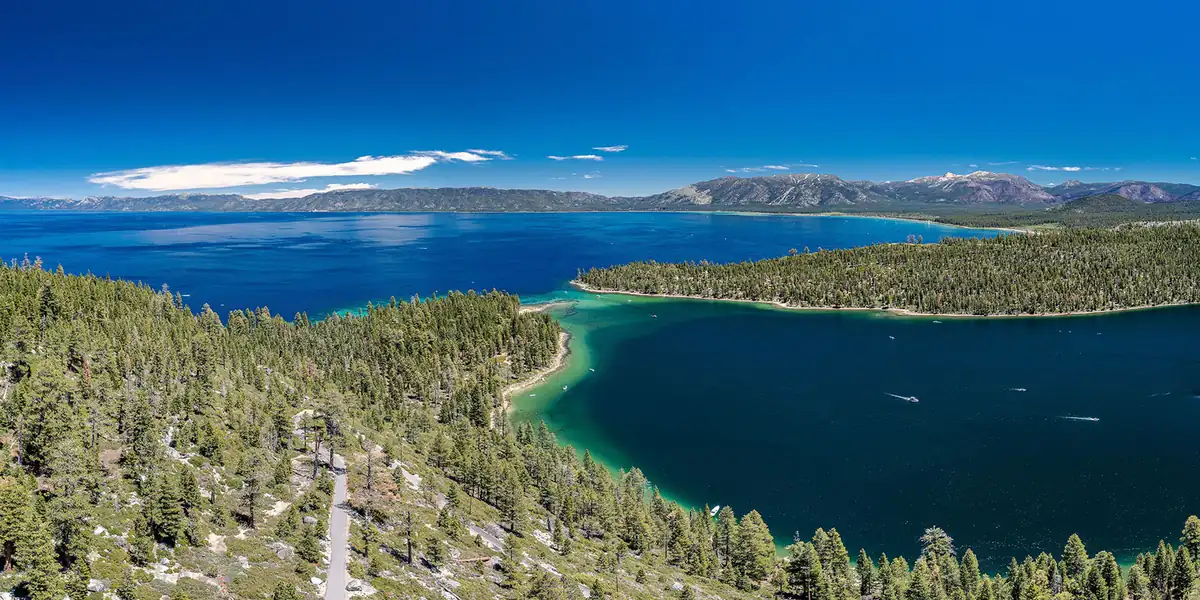
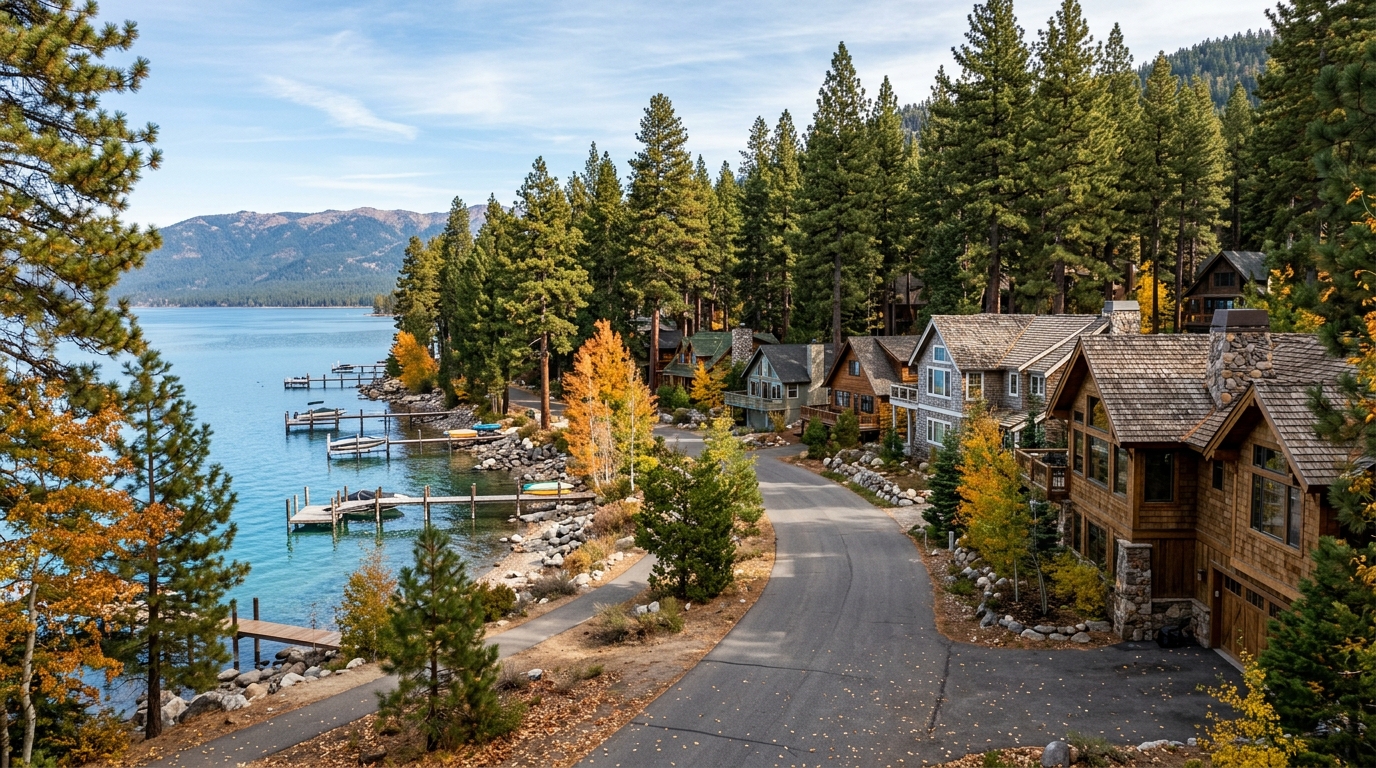
West Shore homes sit along a string of small, wooded lakeside communities running south from Sunnyside past Homewood, Tahoma, Meeks Bay and Rubicon Bay toward Emerald Bay, an area known for its quieter pace, old-Tahoe character, and direct lake access. It is a mix of second homes and full-time residents, with property ranging from modest cabins to lakefront estates. Buyers come here for the combination of walkable markets, marinas, a bike trail into Tahoe City, and access to skiing at Homewood Ski Resort. It is less a resort strip and more a collection of established neighborhoods where owners often hold property across generations.
A few practical anchors for anyone comparing West Shore homes:
- Location: the California side of the lake, generally from Sunnyside south to Emerald Bay, reached along State Route 89.
- Feel: quieter and more residential than the casino corridor at Stateline or the planned community of Incline Village.
- Access: Homewood sits about five miles from Tahoe City, and a regional bike trail runs roughly nine miles from Tahoma into Tahoe City on gentle terrain.
How Sunnyside, Homewood, Tahoma, Meeks Bay and Rubicon Bay Differ for Buyers
Each West Shore community carries its own character, and knowing the differences helps you match a neighborhood to how you actually plan to live at the lake.
Sunnyside is the first community you reach heading down the west shore, a quiet, walkable spot with a market, the Sunnyside hotel and lakefront restaurant, and the Firesign Café across the street for breakfast and lunch. Sunnyside Market is a stop for sandwiches. For a buyer, Sunnyside offers proximity to Tahoe City amenities while keeping a residential feel, which appeals to both weekenders and year-round owners.
Homewood sits about five miles from Tahoe City. It is home to the Homewood Ski Resort, the West Shore Café, the old-time and updated Swiss Lakewood Lodge for dinner, Obexer's Market and Marina, and High & Dry Marina. Homewood suits buyers who want ski access in winter and marina access in summer.
Tahoma sits further down the shore past a long stretch of homes on and off the water. It offers a newly updated small market and deli, a post office, a couple of cafés, and easy access to Sugar Pine Point State Park with camping, hiking, beaches, and the historic Hellman-Ehrman mansion, open for tours in summer. Tahoma is a practical starting point for the regional bike trail, and its everyday services make it comfortable for full-time residents.
Meeks Bay and Rubicon Bay lie further south and represent the more secluded end of the West Shore. Here you find old Tahoe cabins, custom homes tucked into the trees, some with lake views, and lakefront estates. These areas also include beaches, camping, lodging, and trailheads into Desolation Wilderness, plus Bliss State Park, a summer camping and beach spot. Buyers drawn to Meeks Bay and Rubicon Bay tend to value privacy and proximity to wilderness over walkable services.
Beyond Rubicon Bay sits Emerald Bay, with the historic Vikings Home to visit, views of Fannett Island, and the Eagle Falls trailhead. That scenic bookend is part of what gives the southern West Shore its character.
Property Types on the West Shore: Old Tahoe Cabins, Custom Homes and Lakefront Estates
West Shore inventory spans three broad categories, and each carries different ownership considerations, so it helps to know which type fits your budget and use. Homes for sale in West Shore generally fall into one of these groups.
Old Tahoe cabins are the historic core of the West Shore, concentrated in areas like Meeks Bay and Rubicon Bay and scattered throughout the older neighborhoods. These are the classic, often smaller mountain homes that give the area its heritage feel. Many have been held for generations, and they appeal to buyers who value character and a foothold at the lake over square footage or modern systems.
Custom homes occupy the middle of the market. Along the shore you find secluded custom builds, some with lake views, set back from the water among the pines. These properties suit buyers who want more space and updated construction while keeping access to trails, beaches, and marinas.
Lakefront estates are the top of the West Shore market. Lakefront property here includes estates with private shoreline, and it commands the highest values along the west side of the lake. A lakefront purchase carries specific considerations around shoreline rights, piers, buoys, and permitting that do not apply to off-water homes, so lakefront buyers should plan for a deeper review. If you are focused on waterfront specifically, the guide to buying lakefront property and Trinkie's Tahoe lakefront listings are useful next steps.
That range matters on the West Shore, where a single street can hold a modest cabin, a custom home, and a lakefront estate side by side.
Everyday Life on the West Shore: Markets, Marinas, Trails and Access to Tahoe City
Day-to-day life on the West Shore centers on small markets, lakefront marinas, beaches, and a paved trail that connects the communities to Tahoe City, which is why the area works for both weekend owners and full-time residents.
For groceries and quick meals, the West Shore leans on neighborhood spots rather than big stores. Sunnyside Market handles sandwiches and basics, Obexer's Market in Homewood serves that community, and Tahoma's updated market and deli covers the southern stretch. These are convenience-scale markets, so many residents combine them with larger shopping trips into Tahoe City.
Marina and lake access is a defining feature. Homewood has Obexer's Marina and High & Dry Marina. For buyers who own or want to own a boat, marina proximity is a real decision factor and worth confirming for any specific property.
Recreation runs year-round. In winter, Homewood Ski Resort anchors the ski scene on this side of the lake. In summer, Sugar Pine Point State Park, Bliss State Park, Meeks Bay, and Rubicon Bay offer beaches, camping, hiking, and trailheads into Desolation Wilderness. The regional bike trail runs roughly nine miles from Tahoma to Tahoe City over gentle terrain, so you can ride the length of the West Shore without heavy climbs.
Proximity to Tahoe City ties it all together. Homewood sits about five miles from Tahoe City, which puts fuller shopping, dining, and services within a short drive. If you are also weighing the north end of the lake and the Tahoe City corridor, compare the West Shore against the Palisades Tahoe and Tahoe City area before you commit.
Documents and Details to Verify Before You Buy a West Shore Home
Before you buy a West Shore home, confirm the property-specific details that shape cost, use, and access, because two homes on the same road can carry very different rights and obligations. This is educational guidance; work with your agent, a title company, and the relevant licensed professionals on your specific transaction.
For any West Shore property, focus your due diligence on these items:
- Water and shoreline rights. For lakefront homes, verify pier and buoy permits and the current status of any shoreline structures. These rights do not automatically transfer or renew, so confirm them in writing.
- Beach and marina access. Some subdivisions include shared beach, pier, or buoy access, while others do not. Confirm exactly what a given home conveys rather than assuming the neighborhood amenity is included.
- Access and road maintenance. Steep, wooded lots and private roads are common. Confirm year-round access, snow removal responsibility, and any road-maintenance agreements.
- Full-time versus second-home use. The West Shore is a mix of full-time residents and vacation owners. If you plan short-term rentals, verify current local rules for the specific jurisdiction before you count on rental income.
- Utilities and systems. Older cabins may have aging septic, well, or heating systems. Order the appropriate inspections and confirm what upgrades a lender or insurer may require.
For a broader framework on buying across the lake, the Lake Tahoe lakefront real estate guide and the Lake Tahoe communities guide walk through how these factors differ by area.
Talk with our team
If you are weighing the West Shore against another community around Tahoe City, CA, reach out for current rules, inventory, costs, and daily-fit details before you decide. Trinkie Watson and the team at Chase International can walk you through active West Shore listings and help you match a neighborhood to how you plan to use it.
Send a message through the website contact form, call 530.582.0722, or email twatson@chaseinternational.com to start the conversation.
Frequently Asked Questions
What types of homes are typically available for sale in the West Shore area?
The West Shore market centers on three types: old Tahoe cabins, secluded custom homes, and lakefront estates. Cabins concentrate in areas like Meeks Bay and Rubicon Bay, custom homes sit back among the pines with some lake views, and lakefront estates hold private shoreline at the top of the market. Available inventory shifts by season, so the current mix depends on what is listed at the time of your search.
What should I know about the West Shore real estate market before starting my search?
West Shore is known for its lake views, outdoor recreation access, and old-Tahoe character, which can influence property demand and pricing. Market conditions fluctuate based on season, interest rates, and local inventory levels. Because a single street can hold a modest cabin, a custom home, and a lakefront estate side by side, current sold-comparable data for the specific property type gives you a more accurate picture than area-wide averages.
How do I determine a fair offer price for a home in West Shore?
A comparative market analysis, commonly called a CMA, reviews recently sold homes with similar features in the same area to help establish a reasonable price range. Factors such as lot size, proximity to the lake, home condition, and recent upgrades all play a role in valuation. A licensed real estate professional can prepare a CMA and guide you through structuring an offer.
Are there specific considerations for buying lakefront or lake-access properties in West Shore?
Lakefront and lake-access homes may come with factors such as water rights, HOA regulations, shoreline easements, and flood zone designations that can affect ownership and insurance requirements. It is important to review any applicable covenants, conditions, and restrictions before making an offer. Your real estate agent and a qualified real estate attorney can help you understand these details before closing.
How can working with a local West Shore real estate agent benefit my home search?
A local agent can flag property-specific factors like pier and buoy permits, shared beach access, and private road-maintenance agreements that vary house to house and may not appear in an online listing. They can also coordinate showings, negotiate on your behalf, and help you navigate inspections, disclosures, and closing timelines. Trinkie Watson with Chase International focuses on the West Shore market.