
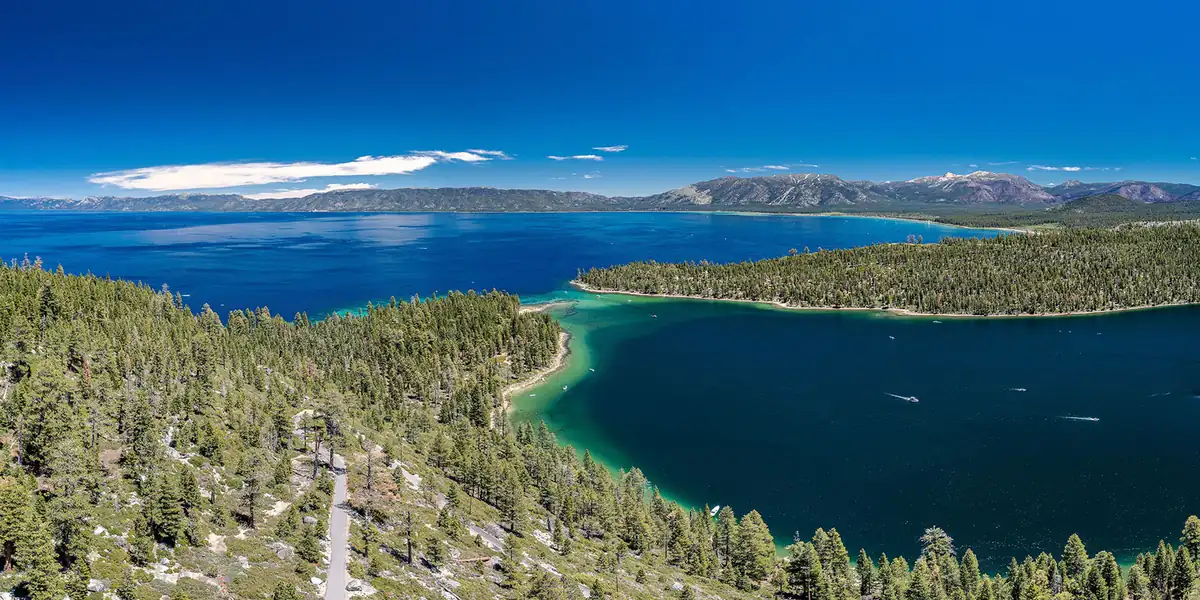
Beyond the Waterline: Lake Tahoe's Four-Season Outdoor Recreation
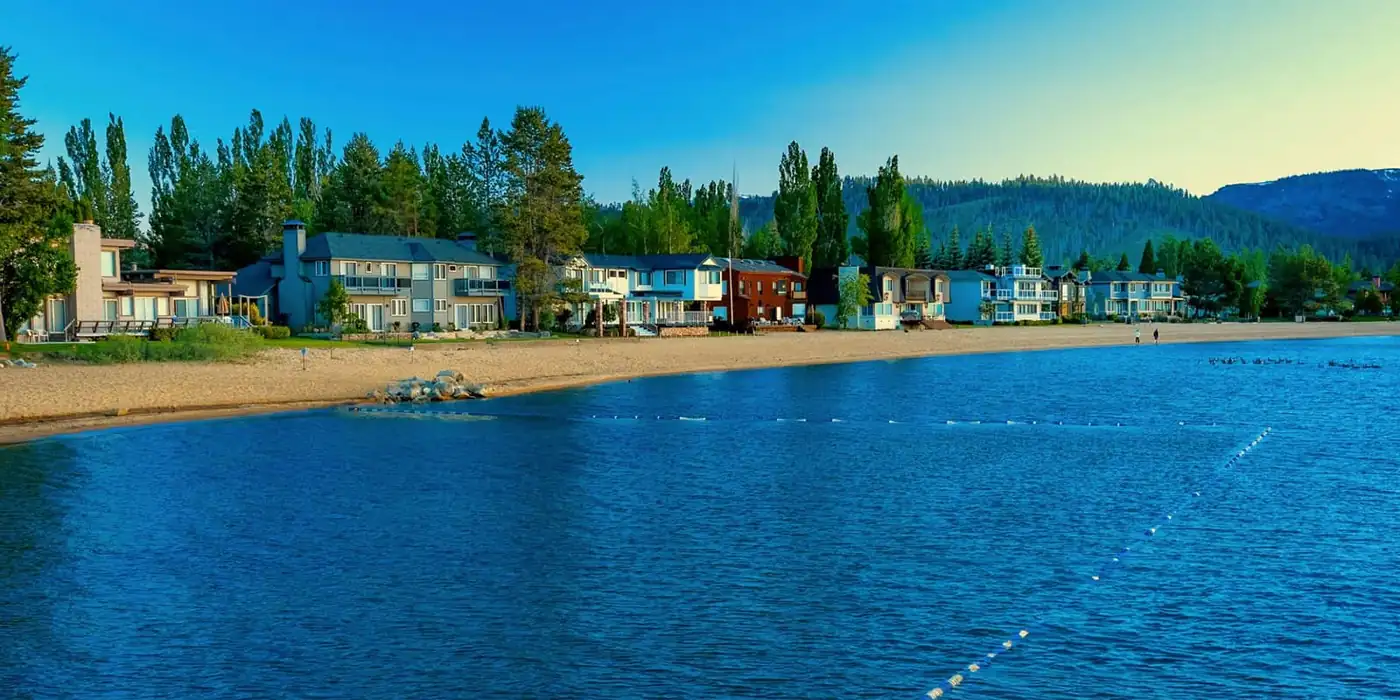
It is easy to think of Lake Tahoe as a summer lake, but that badly undersells it. Step back from the shoreline and you find one of the great year-round outdoor playgrounds in North America: hundreds of miles of hiking and mountain-biking trails, the 165-mile Tahoe Rim Trail circling the entire basin, golf, road cycling, rock climbing, backcountry skiing, and open-water sports. The water is the headline, but the mountains, forests and trails around it are what turn a Tahoe home from a seasonal escape into a place you use every month of the year. Here is what lies beyond the waterline.
What can you do on land in the warm months?
From late spring through fall, the trails take over. The region is laced with paths for every level, from gentle lakeside strolls to demanding alpine ascents, and mountain biking is world-class: flowing singletrack near Truckee, technical descents off the ridgelines, and lift-served terrain at the resorts in summer. Add road cycling on the routes around the lake, trail running, and rock climbing on the granite that defines the Sierra, and the warm season is as full on land as it is on the water.
Golf is a signature Tahoe pursuit. Edgewood Tahoe plays right along the South Shore, and the Truckee area concentrates a remarkable cluster of championship courses at private club communities like Martis Camp, Schaffer’s Mill and Lahontan: a major reason those inland communities appeal to buyers who want club life and space over lake frontage, as the communities guide explains.
What is the Tahoe Rim Trail?
The Tahoe Rim Trail is the region’s crown jewel of hiking: a roughly 165-mile loop that follows the ridgelines encircling the entire lake, crossing both California and Nevada. You do not have to thru-hike it to benefit: dozens of access points make it a network of spectacular day hikes, each opening onto sweeping views of the lake far below. Much of it is open to mountain bikers as well, and it connects to a wider web of trails through the surrounding national forest and state parks, including the scenery around Emerald Bay and the East Shore.
What about winter recreation beyond the resorts?
When the snow arrives, the outdoor culture simply changes form. Alongside the dozen alpine resorts covered in Winter in Lake Tahoe, the backcountry opens for ski touring and splitboarding, and the Nordic and snowshoe networks, Tahoe Donner and Northstar among them, draw residents who prefer earning their turns quietly. Fat biking, sledding and winter photography round out a season that keeps people outdoors even at 6,225 feet in January.
Why does the year-round culture matter to buyers?
Because it is what makes Tahoe livable, and lovable, in every season, not just the two busy ones. A home here is not a summer cabin that sits idle nine months a year; it is a base for a genuinely active life that shifts with the calendar. That is the quiet argument for full-time living, and for the shoulder seasons that residents treasure most, both explored in the four-season lifestyle guide.
The bottom line beyond the waterline
The lake is the centerpiece, but the trails, peaks, courses and backcountry around it are what make Lake Tahoe a year-round outdoor life rather than a summer destination. Choosing where to live here means matching the home to how you actually play: water access, ski proximity, or trailhead and golf-club convenience. Trinkie Watson of Chase International, with 40+ years across the region and licensed in both California and Nevada, helps buyers weigh exactly those trade-offs. Explore the community pages, read the communities guide, or get in touch.