
Snow Removal & the Real Maintenance of a Mountain Home
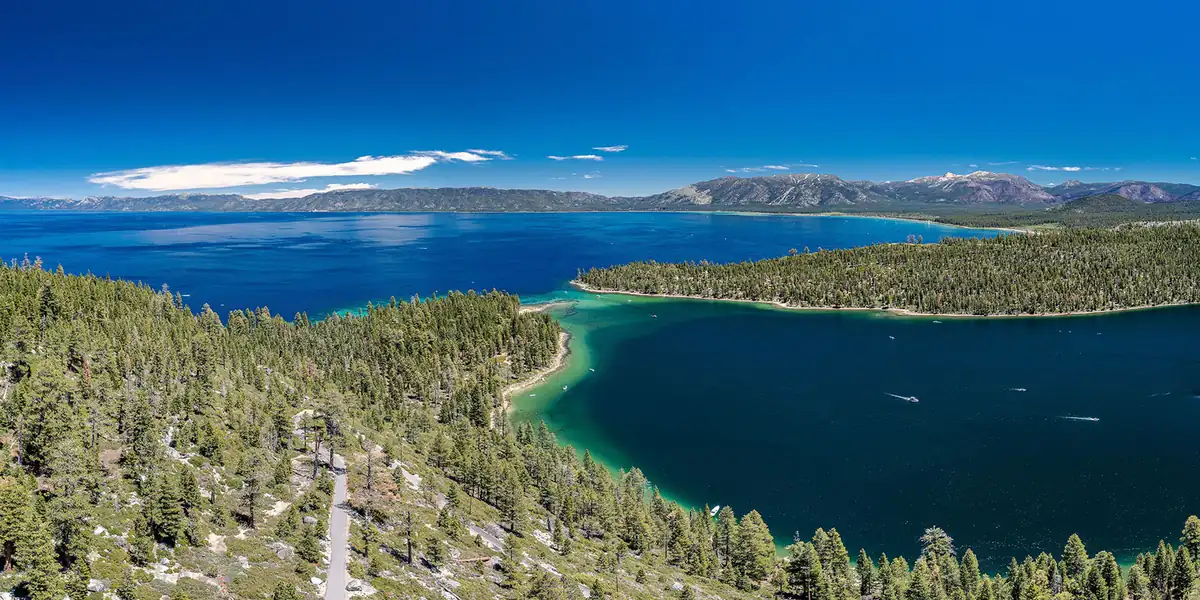
A Lake Tahoe mountain or lakefront home carries heavier maintenance than a typical primary residence, and the reasons are physical: elevation, snow load, freeze-thaw cycles, wildfire-safety requirements, and, on the water, seasonal dock and pier work. Winter brings snow removal and, on some roofs, snow-load management; the whole year brings freeze protection and defensible-space upkeep. For the many owners who use a Tahoe home only part of the year, a mountain home left unattended is a liability, which is why absentee owners budget for property management. This guide is practical and general, it names the work rather than quoting costs, because those vary by home and vendor. Get local quotes on the specific property.
What does snow removal actually involve?
Snow is the defining maintenance reality of a Tahoe winter, and it is more than clearing a driveway. Depending on the home and its elevation, the work can include:
- Plowing and shoveling driveways, walkways, and access: often repeatedly through a single storm cycle.
- Roof snow-load management where accumulation, roof design, or ice call for it.
- Managing ice, runoff, and drainage so meltwater doesn’t find its way into the structure.
- Keeping egress, vents, and equipment clear for safety and function.
Homes at higher elevations and on the West Shore snow belt see more of this than lower, sunnier parcels. Have any home you’re considering assessed for its specific snow exposure and roof situation, and line up a reliable local plowing arrangement, especially if you won’t be there to manage it storm by storm.
Why is freeze protection so important?
A home that sits cold and empty through a Tahoe winter is exposed to freeze damage, pipes and systems that can fail and cause serious water damage before anyone notices. Freeze protection means keeping the home adequately heated or properly winterized, and monitoring for problems during cold snaps. This is precisely the risk that makes absentee ownership dangerous without a plan: a freeze event at a home hundreds of miles from the owner can go unnoticed until the damage is done. It is also a reason a home kept warm all winter carries higher utility costs, a line that belongs in your total ownership budget.
How much upkeep does defensible space require?
Defensible-space maintenance is ongoing work, not a one-time project. The managed buffer around a home, including the Zone 0 area immediately around the structure, has to be maintained season after season to keep its wildfire-safety value and to support insurability. Vegetation grows back, needles and debris accumulate, and the standards evolve. Because defensible space is both a safety measure and an insurance factor, treating it as a recurring maintenance item rather than a closing-day checkbox protects both the home and your coverage.
What extra work do lakefront homes need?
Lakefront ownership adds a seasonal layer on top of everything above. Docks, piers, and buoys typically need seasonal installation, removal, and maintenance, and shoreline structures at Tahoe fall under TRPA oversight, so the work has to respect the applicable rules. This is skilled, seasonal, weather-dependent work that most owners coordinate through local specialists. If you are buying on the water, factor dock and pier upkeep into your maintenance plan from the start, and read the broader lakefront guide for how shoreline features work.
Why do absentee owners budget for property management?
Most Tahoe luxury buyers do not live at the home year-round, and every category above: snow removal, freeze protection, defensible-space upkeep, dock work, assumes someone is present and paying attention. A local property manager fills that gap. Typical responsibilities include:
- Scheduling and overseeing snow removal through the winter.
- Monitoring for freeze events and storm damage and responding quickly.
- Coordinating vendors: landscaping, defensible space, repairs, dock crews.
- Performing periodic checks so problems are caught early.
For a home used only seasonally, management is a core budget line, not an afterthought. The cost buys both maintenance and peace of mind, and it often prevents the far larger cost of an unnoticed freeze or storm event.
What should a buyer plan for?
- Get local quotes for snow removal and seasonal maintenance on the specific home.
- Have the roof and snow exposure assessed for the property’s elevation and design.
- Plan for freeze protection and the utility cost of keeping the home safe in winter.
- Treat defensible space as recurring upkeep tied to insurability.
- Budget for dock and pier work if the home is on the water.
- Line up property management if you’ll be absentee.
With four decades of Lake Tahoe experience and more than 100 lakefront transactions, Trinkie Watson of Chase International can connect you with the local vendors and managers who keep mountain and lakefront homes safe year-round. Get in touch, or see the full cost of ownership guide.
This article is general information. Actual maintenance needs and costs are property-specific: confirm them with qualified local vendors and, for shoreline work, the applicable TRPA requirements.