
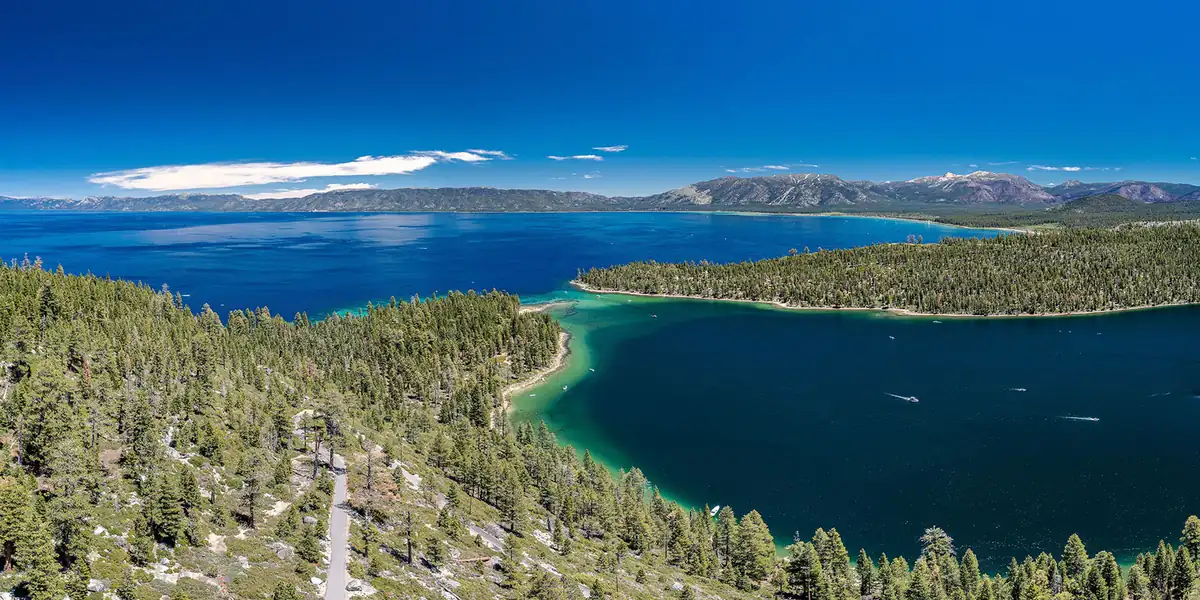
Lake Tahoe as a Legacy Asset: Holding Lakefront Across Generations
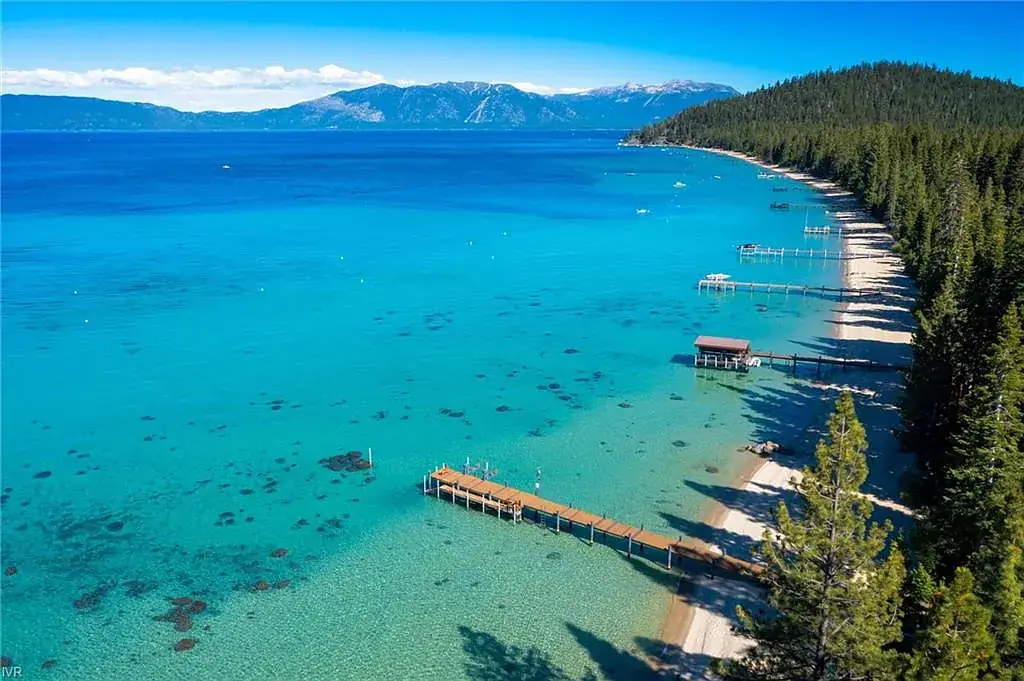
For many owners, a Lake Tahoe lakefront home is not a transaction, it is a legacy. Families hold Tahoe waterfront for generations because it combines two rare qualities: it is genuinely scarce and it is deeply personal. There is a fixed amount of private shoreline on the lake, piers and buoys are strictly limited under TRPA rules, and no amount of demand can create more of it. Add the memories that accumulate at a lake house, summers, weddings, holidays, and you have an asset families are inclined to keep rather than sell. This article looks at why, and at the general considerations of passing a lake home down. It is general information, not legal or tax advice, consult a qualified estate attorney and CPA for your situation.
Why is Lake Tahoe lakefront so durable in value?
The durability starts with scarcity. Lake Tahoe has a finite, largely built-out shoreline, and a meaningful share of the East Shore is protected public land that will never be developed. The TRPA framework tightly limits new piers and buoys, so the supply of true lakefront with water access does not grow, it effectively shrinks relative to demand over time.
Demand, meanwhile, draws from an unusually broad pool: buyers from the Bay Area and beyond, two states, second-home and full-time markets, and multiple generations of families already attached to the lake. That structural imbalance, fixed supply against durable, multi-source demand, is why lakefront has historically been one of the region’s more resilient property classes. No real estate is guaranteed, but the fundamentals here are unusually favorable, as the lakefront real estate guide details.
Why do families choose to hold rather than sell?
Beyond the numbers, a lake home is where a family’s story lives. The pier where the kids learned to dive, the deck where every anniversary dinner happens, the fireplace that anchors every winter holiday, these traditions are not easily replaced, and once a family experiences a few years of them, selling becomes almost unthinkable. The entertaining and gathering that make that possible are explored in Entertaining by the Lake, and the year-round life that keeps everyone coming back in the four-season lifestyle guide.
There is also a practical logic to holding. Because true lakefront is so hard to replace, a family that sells rarely finds an equivalent property available later at any price. For that reason, many owners treat the decision as effectively permanent, and plan accordingly.
What are the general considerations for passing a lake home down?
Families use a range of approaches, and the right one depends on their goals, their tax situation, and which state the property sits in. In broad terms, owners commonly consider:
- Ownership structure: some hold the home in a revocable or irrevocable trust, or in a family LLC, to simplify succession and clarify how the property is governed across branches of the family.
- Succession and gifting: planning how and when the home transfers, which carries estate and tax implications that differ meaningfully between California and Nevada.
- Shared-use agreements: written arrangements for scheduling, cost-sharing, maintenance and decision-making, so multiple family branches can enjoy the home without conflict.
- Funding upkeep: a lakefront home carries real ongoing costs (maintenance, caretaking, insurance, and pier/shoreline stewardship), and families often plan a reserve so no single heir shoulders them alone.
The California-vs-Nevada dimension is significant here, Nevada’s lack of state income tax and the two states’ different rules can shape both ownership and residency decisions. That comparison is covered in the California vs. Nevada guide. But every one of these choices has legal and tax consequences, so treat this as a starting framework only.
Important: This is general educational information, not legal, tax, or financial advice. Estate planning, trusts, gifting, and the tax treatment of a second home vary by state and by individual circumstance. Always work with a qualified estate attorney and CPA before making decisions about how to hold or transfer a property.
The bottom line on Tahoe as a legacy
A Lake Tahoe lakefront home endures because it cannot be replicated: a fixed shoreline, strictly limited water access, and a family story that only deepens with time. That is why so many owners think in generations rather than years. Trinkie Watson of Chase International, 40+ years, more than 100 lakefront transactions, and licensed in both California and Nevada, has helped families acquire, hold, and pass down Tahoe lakefront across decades, and can coordinate with your estate and tax advisors on the real estate side. Read the lakefront guide or get in touch.